Showing posts with label Graph Theory. Show all posts

Monday, June 13, 2011

Graph Theory


Contents
1 Graphs . . . . . . . . . . . . . . . . . . . . . . . . . . . . . . . . . . . . . . . . . . . . . . . . . . . . . . . . 1
2 Subgraphs . . . . . . . . . . . . . . . . . . . . . . . . . . . . . . . . . . . . . . . . . . . . . . . . . . . . . 39
3 Connected Graphs . . . . . . . . . . . . . . . . . . . . . . . . . . . . . . . . . . . . . . . . . . . . . 79
4 Trees . . . . . . . . . . . . . . . . . . . . . . . . . . . . . . . . . . . . . . . . . . . . . . . . . . . . . . . . . . 99
5 Nonseparable Graphs . . . . . . . . . . . . . . . . . . . . . . . . . . . . . . . . . . . . . . . . . . 117
6 Tree-Search Algorithms. . . . . . . . . . . . . . . . . . . . . . . . . . . . . . . . . . . . . . . . 135
7 Flows in Networks . . . . . . . . . . . . . . . . . . . . . . . . . . . . . . . . . . . . . . . . . . . . . 157
8 Complexity of Algorithms . . . . . . . . . . . . . . . . . . . . . . . . . . . . . . . . . . . . . 173
9 Connectivity . . . . . . . . . . . . . . . . . . . . . . . . . . . . . . . . . . . . . . . . . . . . . . . . . . . 205
10 Planar Graphs . . . . . . . . . . . . . . . . . . . . . . . . . . . . . . . . . . . . . . . . . . . . . . . . . 243
11 The Four-Colour Problem . . . . . . . . . . . . . . . . . . . . . . . . . . . . . . . . . . . . . 287
12 Stable Sets and Cliques . . . . . . . . . . . . . . . . . . . . . . . . . . . . . . . . . . . . . . . . 295
13 The Probabilistic Method . . . . . . . . . . . . . . . . . . . . . . . . . . . . . . . . . . . . . 329
14 Vertex Colourings . . . . . . . . . . . . . . . . . . . . . . . . . . . . . . . . . . . . . . . . . . . . . 357
15 Colourings of Maps . . . . . . . . . . . . . . . . . . . . . . . . . . . . . . . . . . . . . . . . . . . . 391
16 Matchings . . . . . . . . . . . . . . . . . . . . . . . . . . . . . . . . . . . . . . . . . . . . . . . . . . . . . 413
17 Edge Colourings . . . . . . . . . . . . . . . . . . . . . . . . . . . . . . . . . . . . . . . . . . . . . . . 451
18 Hamilton Cycles . . . . . . . . . . . . . . . . . . . . . . . . . . . . . . . . . . . . . . . . . . . . . . . 471
19 Coverings and Packings in Directed Graphs . . . . . . . . . . . . . . . . . . . 503
20 Electrical Networks . . . . . . . . . . . . . . . . . . . . . . . . . . . . . . . . . . . . . . . . . . . . 527
21 Integer Flows and Coverings . . . . . . . . . . . . . . . . . . . . . . . . . . . . . . . . . . . 557
Unsolved Problems . . . . . . . . . . . . . . . . . . . . . . . . . . . . . . . . . . . . . . . . . . . . . . . . 583
References . . . . . . . . . . . . . . . . . . . . . . . . . . . . . . . . . . . . . . . . . . . . . . . . . . . . . . . . . 593
General Mathematical Notation . . . . . . . . . . . . . . . . . . . . . . . . . . . . . . . . . . . 623
Graph Parameters . . . . . . . . . . . . . . . . . . . . . . . . . . . . . . . . . . . . . . . . . . . . . . . . . 625
Operations and Relations . . . . . . . . . . . . . . . . . . . . . . . . . . . . . . . . . . . . . . . . . . 627
Families of Graphs. . . . . . . . . . . . . . . . . . . . . . . . . . . . . . . . . . . . . . . . . . . . . . . . . 629
Structures . . . . . . . . . . . . . . . . . . . . . . . . . . . . . . . . . . . . . . . . . . . . . . . . . . . . . . . . . 631
Other Notation . . . . . . . . . . . . . . . . . . . . . . . . . . . . . http://www.blogger.com/img/blank.gif.http://www.blogger.com/img/blank.gif . . . . . . . . . . . . . . . . . . . . . . 633
Index . . . . . . . . . . . . . . . . . . . . . . . . . . . . . . . . . . . . . . . . . . . . . . . . . . . . . . . . . . . . . . 637

Another Graph Theory Books
Download

Friday, April 15, 2011

Graph Theory with Applications to Engineering and Computer Science


Narsingh Deo "Graph Theory with Applications to Engineering and Computer Science"
Prentice Hall | 1974-05 | ISBN: 0133634736 | 480 pages | 4,4 MB

*Summary: Clear, a pleasure to read for a beginner
Rating: 5
The writing is excellent. I got an introduction to graph theory from Mark Allen Weiss' "Data structures and algorithm analysis in C++". That was a very good start and led me to think I could use graph theory to solve a problem. When I needed to probe deeper I found this book in Weiss' bibliography. I read the first few chapters and felt comfortable enough to go out on the internet and find a PhD thesis that applied directly to my problem.
Summary: Clearly built up, and straightforward
*Rating: 5
I was using this book as the first book for a Graph theory course and have choosen this from about 10 (pre-selected) books. It is interesting as it opens up new areas by solving interesting problems. I am not a professional in Graph Theory as i am doing Computer Science but i haven't found better introductory book so far.

Another Graph Theory
Download

Thursday, February 17, 2011

Random Graph Dynamics


Contents
Preface page vii
1. Overview 1
1.1 Introduction to the Introduction 1
1.2 Erd ̈ s, R ́ nyi, Molloy, and Reed
o e 3
1.3 Six Degrees, Small Worlds 7
1.4 Power Laws, Preferential Attachment 11
1.5 Epidemics and Percolation 15
1.6 Potts Models and the Contact Process 18
1.7 Random Walks and Voter Models 20
1.8 CHKNS Model 21
2. Erd ̈ s–R ́ nyi Random Graphs
o e 27
2.1 Branching Processes 27
2.2 Cluster Growth as an Epidemic 34
2.3 Cluster Growth as a Random Walk 37
2.4 Diameter of the Giant Component 43
2.5 CLT for the Giant Component 46
2.6 Combinatorial Approach 50
2.7 Critical Regime 56
2.8 Threshold for Connectivity 62
3. Fixed Degree Distributions 70
3.1 Definitions and Heuristics 70
3.2 Proof of Phase Transition 75
3.3 Subcritical Estimates 82
3.4 Distances: Finite Variance 84
3.5 Epidemics 85
4. Power Laws 90
4.1 Barab ́ si-Albert Model
a 90
4.2 Related Models 93
4.3 Martingales and Urns 99
4.4 Scale-Free Trees 105
4.5 Distances: Power Laws 2 < β < 3 110
4.6 Diameter: Barab ́ si-Albert Model
a 116
4.7 Percolation, Resilience 121
4.8 SIS Epidemic 125
5. Small Worlds 132
5.1 Watts and Strogatz Model 132
5.2 Path Lengths 134
5.3 Epidemics 140
5.4 Ising and Potts Models 144
5.5 Contact Process 148
6. Random Walks 153
6.1 Spectral Gap 153
6.2 Conductance 156
6.3 Fixed Degree Distribution 159
6.4 Preferential Attachment Graph 164
6.5 Connected Erd ̈ s–R ́ nyi Graphs
o e 169
6.6 Small Worlds 171
6.7 Only Degrees 2 and 3 175
6.8 Hitting Times 177
6.9 Voter Models 181
7. CHKNS Model 187
7.1 Heuristic Arguments 187
7.2 Proof of the Phase Transition 190
7.3 Subcritical Estimates 193
7.4 Kosterlitz-Thouless Transition 197
7.5 Results at the Critical Value 200
References 203
Index 211


Another Graph Theory Books
Download

Thursday, January 20, 2011

Lecture Notes on Graph Theory


Contents
Introduction . . . . . . . . . . . . . . . . . . . . . . . . . . . . . . . . . . . . . . . . . . . . . . . . . . . . . . . . 2
1
1.1 Graphs and their plane figures . . . . . . . . . . . . . . . . . . . . . . . . . . . . . . . . . . . . . . . . . 4
1.2 Subgraphs . . . . . . . . . . . . . . . . . . . . . . . . . . . . . . . . . . . . . . . . . . . . . . . . . . . . . . . . . 7
1.3 Paths and cycles . . . . . . . . . . . . . . . . . . . . . . . . . . . . . . . . . . . . . . . . . . . . . . . . . . . . 11
Connectivity of Graphs . . . . . . . . . . . . . . . . . . . . . . . . . . . . . . . . . . . . . . . . . . . . . . . 16
2
2.1 Bipartite graphs and trees . . . . . . . . . . . . . . . . . . . . . . . . . . . . . . . . . . . . . . . . . . . . . 16
2.2 Connectivity . . . . . . . . . . . . . . . . . . . . . . . . . . . . . . . . . . . . . . . . . . . . . . . . . . . . . . . 24
Tours and Matchings . . . . . . . . . . . . . . . . . . . . . . . . . . . . . . . . . . . . . . . . . . . . . . . . .
3 30
3.1 Eulerian graphs . . . . . . . . . . . . . . . . . . . . . . . . . . . . . . . . . . . . . . . . . . . . . . . . . . . . . 30
3.2 Hamiltonian graphs . . . . . . . . . . . . . . . . . . . . . . . . . . . . . . . . . . . . . . . . . . . . . . . . . . 32
3.3 Matchings . . . . . . . . . . . . . . . . . . . . . . . . . . . . . . . . . . . . . . . . . . . . . . . . . . . . . . . . . 36
Colourings . . . . . . . . . . . . . . . . . . . . . . . . . . . . . . . . . . . . . . . . . . . . . . . . . . . . . . . . .
4 43
4.1 Edge colourings . . . . . . . . . . . . . . . . . . . . . . . . . . . . . . . . . . . . . . . . . . . . . . . . . . . . 43
4.2 Ramsey Theory . . . . . . . . . . . . . . . . . . . . . . . . . . . . . . . . . . . . . . . . . . . . . . . . . . . . . 47
4.3 Vertex colourings . . . . . . . . . . . . . . . . . . . . . . . . . . . . . . . . . . . . . . . . . . . . . . . . . . . 52
Graphs on Surfaces . . . . . . . . . . . . . . . . . . . . . . . . . . . . . . . . . . . . . . . . . . . . . . . . . .
5 60
5.1 Planar graphs . . . . . . . . . . . . . . . . . . . . . . . . . . . . . . . . . . . . . . . . . . . . . . . . . . . . . . . 60
5.2 Colouring planar graphs . . . . . . . . . . . . . . . . . . . . . . . . . . . . . . . . . . . . . . . . . . . . . . 67
5.3 Genus of a graph . . . . . . . . . . . . . . . . . . . . . . . . . . . . . . . . . . . . . . . . . . . . . . . . . . . . 74
Directed Graphs . . . . . . . . . . . . . . . . . . . . . . . . . . . . . . . . . . . . . . . . . . . . . . . . . . . . . 83
6
6.1 Digraphs . . . . . . . . . . . . . . . . . . . . . . . . . . . . . . . . . . . . . . . . . . . . . . . . . . . . . . . . . . . 83
6.2 Network Flows . . . . . . . . . . . . . . . . . . . . . . . . . . . . . . . . . . . . . . . . . . . . . . . . . . . . . 89
Index . . . . . . . . . . . . . . . . . . . . . . . . . . . . . . . . . . . . . . . . . . . . . . . . . . . . . . . . . . . . . . . . . . 96


Another Graph Theory
Download

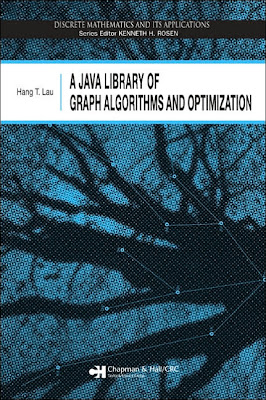
A Java Library of Graph Algorithms and Optimization


Contents
INTRODUCTION ....................................................................................... 1
1. RANDOM GRAPH GENERATION....................................................... 3
1.1 Random Permutation of n Objects ........................................................................................ 3
1.2 Random Graph........................................................................................................................ 4
1.3 Random Bipartite Graph........................................................................................................ 7
1.4 Random Regular Graph ....................................................................................................... 10
1.5 Random Spanning Tree ....................................................................................................... 14
1.6 Random Labeled Tree ......................................................................................................... 16
1.7 Random Unlabeled Rooted Tree......................................................................................... 18
1.8 Random Connected Graph................................................................................................... 21
1.9 Random Hamilton Graph..................................................................................................... 24
1.10 Random Maximum Flow Network .................................................................................... 27
1.11 Random Isomorphic Graphs.............................................................................................. 31
1.12 Random Isomorphic Regular Graphs ............................................................................... 34
2. CONNECTIVITY................................................................................. 37
2.1 Maximum Connectivity ........................................................................................................ 37
2.2 Depth-First Search ................................................................................................................ 39
2.3 Breadth-First Search............................................................................................................. 43
2.4 Connected Graph Testing..................................................................................................... 47
2.5 Connected Components ........................................................................................................ 50
2.6 Cut Nodes............................................................................................................................... 55
2.7 Strongly Connected Components ........................................................................................ 61
2.8 Minimal Equivalent Graph .................................................................................................. 65
2.9 Edge Connectivity ................................................................................................................. 73
2.10 Minimum Spanning Tree.................................................................................................... 75
2.11 All Cliques............................................................................................................................ 81
3. PATHS AND CYCLES ....................................................................... 89
3.1 Fundamental Set of Cycles ................................................................................................... 89
3.2 Shortest Cycle Length........................................................................................................... 93
3.3 One-Pair Shortest Path......................................................................................................... 96
3.4 All Shortest Path Length .................................................................................................... 102
3.5 Shortest Path Tree............................................................................................................... 105
3.6 All Pairs Shortest Paths ...................................................................................................... 109
3.7 k Shortest Paths................................................................................................................... 112
3.8 k Shortest Paths without Repeated Nodes ........................................................................ 123
3.9 Euler Circuit ........................................................................................................................ 142
3.10 Hamilton Cycle .................................................................................................................. 146
3.11 Chinese Postman Tour...................................................................................................... 151
3.12 Traveling Salesman Problem ........................................................................................... 173
4. PLANARITY TESTING..................................................................... 179
5. GRAPH ISOMORPHISM TESTING ................................................. 195
6. COLORING ...................................................................................... 207
6.1 Node Coloring...................................................................................................................... 207
6.2 Chromatic Polynomial ........................................................................................................ 212
7. GRAPH MATCHING ........................................................................ 221
7.1 Maximum Cardinality Matching....................................................................................... 221
7.2 Minimum Sum Perfect Matching ...................................................................................... 225
8. NETWORK FLOW ........................................................................... 243
8.1 Maximum Network Flow.................................................................................................... 243
8.2 Minimum Cost Network Flow............................................................................................ 254
9. PACKING AND COVERING ............................................................ 273
9.1 Assignment Problem ........................................................................................................... 273
9.2 Bottleneck Assignment Problem ........................................................................................ 280
9.3 Quadratic Assignment Problem.......................................................................................... 284
9.4 Multiple Knapsack Problem .............................................................................................. 304
9.5 Set Covering Problem ......................................................................................................... 323
9.6 Set Partitioning Problem .................................................................................................... 325
10. LINEAR PROGRAMMING ............................................................. 329
10.1 Revised Simplex Method .................................................................................................. 329
10.2 Dual Simplex Method ....................................................................................................... 334
11. INTEGER PROGRAMMING........................................................... 341
11.1 Zero-One Integer Programming...................................................................................... 341
11.2 All Integer Programming ................................................................................................ 347
11.3 Mixed Integer Programming........................................................................................... 351
12. QUADRATIC PROGRAMMING ..................................................... 371
APPENDIX A: REFERENCES ............................................................ 377
APPENDIX B: GRAPH-THEORETIC TERMS .................................... 383


Another Graph Theory Books
Another Java Books
Download

Graph Theory (Graduate Texts in Mathematics)


Contents
1 Graphs . . . . . . . . . . . . . . . . . . . . . . . . . . . . . . . . . . . . . . . . . . . . . . . . . . . . . . . . 1
2 Subgraphs . . . . . . . . . . . . . . . . . . . . . . . . . . . . . . . . . . . . . . . . . . . . . . . . . . . . . 39
3 Connected Graphs . . . . . . . . . . . . . . . . . . . . . . . . . . . . . . . . . . . . . . . . . . . . . 79
4 Trees . . . . . . . . . . . . . . . . . . . . . . . . . . . . . . . . . . . . . . . . . . . . . . . . . . . . . . . . . . 99
5 Nonseparable Graphs . . . . . . . . . . . . . . . . . . . . . . . . . . . . . . . . . . . . . . . . . . 117
6 Tree-Search Algorithms . . . . . . . . . . . . . . . . . . . . . . . . . . . . . . . . . . . . . . . . 135
7 Flows in Networks . . . . . . . . . . . . . . . . . . . . . . . . . . . . . . . . . . . . . . . . . . . . . 157
8 Complexity of Algorithms . . . . . . . . . . . . . . . . . . . . . . . . . . . . . . . . . . . . . 173
9 Connectivity . . . . . . . . . . . . . . . . . . . . . . . . . . . . . . . . . . . . . . . . . . . . . . . . . . . 205
10 Planar Graphs . . . . . . . . . . . . . . . . . . . . . . . . . . . . . . . . . . . . . . . . . . . . . . . . . 243
11 The Four-Colour Problem . . . . . . . . . . . . . . . . . . . . . . . . . . . . . . . . . . . . . 287
12 Stable Sets and Cliques . . . . . . . . . . . . . . . . . . . . . . . . . . . . . . . . . . . . . . . . 295
13 The Probabilistic Method . . . . . . . . . . . . . . . . . . . . . . . . . . . . . . . . . . . . . 329
14 Vertex Colourings . . . . . . . . . . . . . . . . . . . . . . . . . . . . . . . . . . . . . . . . . . . . . 357
15 Colourings of Maps . . . . . . . . . . . . . . . . . . . . . . . . . . . . . . . . . . . . . . . . . . . . 391
16 Matchings . . . . . . . . . . . . . . . . . . . . . . . . . . . . . . . . . . . . . . . . . . . . . . . . . . . . . 413
17 Edge Colourings . . . . . . . . . . . . . . . . . . . . . . . . . . . . . . . . . . . . . . . . . . . . . . . 451
18 Hamilton Cycles . . . . . . . . . . . . . . . . . . . . . . . . . . . . . . . . . . . . . . . . . . . . . . . 471
19 Coverings and Packings in Directed Graphs . . . . . . . . . . . . . . . . . . . 503
20 Electrical Networks . . . . . . . . . . . . . . . . . . . . . . . . . . . . . . . . . . . . . . . . . . . . 527
21 Integer Flows and Coverings . . . . . . . . . . . . . . . . . . . . . . . . . . . . . . . . . . . 557
Unsolved Problems . . . . . . . . . . . . . . . . . . . . . . . . . . . . . . . . . . . . . . . . . . . . . . . . 583
References . . . . . . . . . . . . . . . . . . . . . . . . . . . . . . . . . . . . . . . . . . . . . . . . . . . . . . . . . 593
General Mathematical Notation . . . . . . . . . . . . . . . . . . . . . . . . . . . . . . . . . . . 623
Graph Parameters . . . . . . . . . . . . . . . . . . . . . . . . . . . . . . . . . . . . . . . . . . . . . . . . . 625
Operations and Relations . . . . . . . . . . . . . . . . . . . . . . . . . . . . . . . . . . . . . . . . . . 627
Families of Graphs . . . . . . . . . . . . . . . . . . . . . . . . . . . . . . . . . . . . . . . . . . . . . . . . . 629
Structures . . . . . . . . . . . . . . . . . . . . . . . . . . . . . . . . . . . . . . . . . . . . . . . . . . . . . . . . . 631
Other Notation . . . . . . . . . . . . . . . . . . . . . . . . . . . . . . . . . . . . . . . . . . . . . . . . . . . . 633
Index . . . . . . . . . . . . . . . . . . . . . . . . . . . . . . . . . . . . . . . . . . . . . . . . . . . . . . . . . . . . . . 637


Another Graph Theory
Download

Wednesday, January 19, 2011

Drawing Graphs Methods and Models


Table of Contents
1. Graph Drawing and Its Applications
Rudolf Fleischer and Colin Hirsch . . . . . . . . . . . . . . . . . . . . . . . . . . . . . . 1
1.1 Introduction . . . . . . . . . . . . . . . . . . . . . . . . . . . . . . . . . . . . . . . . . . . 1
1.2 Some Applications . . . . . . . . . . . . . . . . . . . . . . . . . . . . . . . . . . . . . . 3
1.3 How to Draw a Graph . . . . . . . . . . . . . . . . . . . . . . . . . . . . . . . . . . 17
1.4 Algorithmic Approaches to Graph Drawing . . . . . . . . . . . . . . . . 20
1.5 Conclusion . . . . . . . . . . . . . . . . . . . . . . . . . . . . . . . . . . . . . . . . . . . . 21
2. Drawing Planar Graphs
Ren ́ Weiskircher . . . . . . . . . . . . . . . . . . . . . . . . . . . . . . . . . . . . . . . . . . . . 23
e
2.1 Introduction . . . . . . . . . . . . . . . . . . . . . . . . . . . . . . . . . . . . . . . . . . . 23
2.2 What Is a Planar Graph? . . . . . . . . . . . . . . . . . . . . . . . . . . . . . . . . 23
2.3 Planarity Testing . . . . . . . . . . . . . . . . . . . . . . . . . . . . . . . . . . . . . . . 25
2.4 How to Make a Graph Planar . . . . . . . . . . . . . . . . . . . . . . . . . . . . 29
2.5 How to Make a Planar Graph 2-Connected Planar . . . . . . . . . . 31
2.6 Convex Representations . . . . . . . . . . . . . . . . . . . . . . . . . . . . . . . . . 33
2.7 Methods Based on Canonical Orderings . . . . . . . . . . . . . . . . . . . 37
3. Drawing Trees, Series-Parallel Digraphs, and Lattices
Matthias M ̈ller-Hannemann . . . . . . . . . . . . . . . . . . . . . . . . . . . . . . . . . . 46
u
3.1 Trees . . . . . . . . . . . . . . . . . . . . . . . . . . . . . . . . . . . . . . . . . . . . . . . . . 46
3.2 Series-Parallel Digraphs . . . . . . . . . . . . . . . . . . . . . . . . . . . . . . . . . 52
3.3 Lattices . . . . . . . . . . . . . . . . . . . . . . . . . . . . . . . . . . . . . . . . . . . . . . . 63
4. Drawing on Physical Analogies
Ulrik Brandes . . . . . . . . . . . . . . . . . . . . . . . . . . . . . . . . . . . . . . . . . . . . . . . 71
4.1 The Springs . . . . . . . . . . . . . . . . . . . . . . . . . . . . . . . . . . . . . . . . . . . 71
4.2 Force-Directed Placement . . . . . . . . . . . . . . . . . . . . . . . . . . . . . . . 72
4.3 Energy-Based Placement . . . . . . . . . . . . . . . . . . . . . . . . . . . . . . . . 78
4.4 Modeling with Forces and Energies . . . . . . . . . . . . . . . . . . . . . . . 82
5. Layered Drawings of Digraphs
Oliver Bastert and Christian Matuszewski . . . . . . . . . . . . . . . . . . . . . . 87
5.1 Introduction . . . . . . . . . . . . . . . . . . . . . . . . . . . . . . . . . . . . . . . . . . . 87
5.2 Cycle Removal . . . . . . . . . . . . . . . . . . . . . . . . . . . . . . . . . . . . . . . . . 89
5.3 Layer Assignment . . . . . . . . . . . . . . . . . . . . . . . . . . . . . . . . . . . . . . 96
5.4 Crossing Reduction . . . . . . . . . . . . . . . . . . . . . . . . . . . . . . . . . . . . . 101
5.5 Horizontal Coordinates . . . . . . . . . . . . . . . . . . . . . . . . . . . . . . . . . . 112
5.6 Positioning of Edges . . . . . . . . . . . . . . . . . . . . . . . . . . . . . . . . . . . . 115
5.7 Related Approaches . . . . . . . . . . . . . . . . . . . . . . . . . . . . . . . . . . . . . 118
6. Orthogonal Graph Drawing
Markus Eiglsperger, S ́ndor P. Fekete, and Gunnar W. Klau . . . . . . . 121
a
6.1 Introduction . . . . . . . . . . . . . . . . . . . . . . . . . . . . . . . . . . . . . . . . . . . 121
6.2 Angles in Drawings . . . . . . . . . . . . . . . . . . . . . . . . . . . . . . . . . . . . . 122
6.3 Orthogonal Drawings and Their Encoding . . . . . . . . . . . . . . . . . 126
6.4 Heuristics . . . . . . . . . . . . . . . . . . . . . . . . . . . . . . . . . . . . . . . . . . . . . 132
6.5 Flow-Based Methods . . . . . . . . . . . . . . . . . . . . . . . . . . . . . . . . . . . . 147
6.6 Compaction . . . . . . . . . . . . . . . . . . . . . . . . . . . . . . . . . . . . . . . . . . . 155
6.7 Improving Other Aesthetic Criteria . . . . . . . . . . . . . . . . . . . . . . . 167
6.8 Conclusions and Open Problems . . . . . . . . . . . . . . . . . . . . . . . . . . 170
7. 3D Graph Drawing
Britta Landgraf . . . . . . . . . . . . . . . . . . . . . . . . . . . . . . . . . . . . . . . . . . . . . . 172
7.1 Introduction . . . . . . . . . . . . . . . . . . . . . . . . . . . . . . . . . . . . . . . . . . . 172
7.2 Physical Simulation . . . . . . . . . . . . . . . . . . . . . . . . . . . . . . . . . . . . . 173
7.3 Layering . . . . . . . . . . . . . . . . . . . . . . . . . . . . . . . . . . . . . . . . . . . . . . 174
7.4 3D Orthogonal Drawings of Graphs of Maximum Degree Six . 176
7.5 3D Orthogonal Drawings of Graphs of Arbitrary Degree . . . . . 182
7.6 Viewpoints . . . . . . . . . . . . . . . . . . . . . . . . . . . . . . . . . . . . . . . . . . . . 190
8. Drawing Clusters and Hierarchies
Ralf Brockenauer and Sabine Cornelsen . . . . . . . . . . . . . . . . . . . . . . . . . 193
8.1 Definitions . . . . . . . . . . . . . . . . . . . . . . . . . . . . . . . . . . . . . . . . . . . . . 193
8.2 Clustering Methods . . . . . . . . . . . . . . . . . . . . . . . . . . . . . . . . . . . . . 197
8.3 Planar Drawings of Hierarchical Clustered Graphs . . . . . . . . . . 202
8.4 Hierarchical Representation of Compound Graphs . . . . . . . . . . 210
8.5 Force-Directed Methods for Clustered Graphs . . . . . . . . . . . . . . 216
8.6 Online Graph Drawing of Huge Graphs – A Case Study . . . . . 222
8.7 Summary . . . . . . . . . . . . . . . . . . . . . . . . . . . . . . . . . . . . . . . . . . . . . . 227
9. Dynamic Graph Drawing
J ̈ rgen Branke . . . . . . . . . . . . . . . . . . . . . . . . . . . . . . . . . . . . . . . . . . . . . . . 228
u
9.1 Introduction . . . . . . . . . . . . . . . . . . . . . . . . . . . . . . . . . . . . . . . . . . . 228
9.2 Maintaining the Mental Map – What Does It Mean? . . . . . . . . 229
9.3 Coping with the Dynamics . . . . . . . . . . . . . . . . . . . . . . . . . . . . . . . 236
9.4 Conclusion and Future Work . . . . . . . . . . . . . . . . . . . . . . . . . . . . . 245
10. Map Labeling with Application to Graph Drawing
Gabriele Neyer . . . . . . . . . . . . . . . . . . . . . . . . . . . . . . . . . . . . . . . . . . . . . 247
10.1 Formal Background . . . . . . . . . . . . . . . . . . . . . . . . . . . . . . . . . . . . . 248
10.2 Contents and Complexity Overview . . . . . . . . . . . . . . . . . . . . . . . 251
10.3 Point Feature Label Placement . . . . . . . . . . . . . . . . . . . . . . . . . . . 251
10.4 Line Feature Label Placement . . . . . . . . . . . . . . . . . . . . . . . . . . . 265
10.5 Graphical Feature Label Placement . . . . . . . . . . . . . . . . . . . . . . . 268
10.6 General Optimization Strategies Applied to Map Labeling . . . 272
A. Software Packages
Thomas Willhalm . . . . . . . . . . . . . . . . . . . . . . . . . . . . . . . . . . . . . . . . . . . 274
Bibliography . . . . . . . . . . . . . . . . . . . . . . . . . . . . . . . . . . . . . . . . . . . . . . . . . . 283
Index . . . . . . . . . . . . . . . . . . . . . . . . . . . . . . . . . . . . . . . . . . . . . . . . . . . . . . . . . 307

Another Graph Theory Books
Download

Tuesday, January 18, 2011

Applied Graph Theory in Computer Vision and Pattern Recognition


Contents
Part I Applied Graph Theory for Low Level Image Processing
and Segmentation
Multiresolution Image Segmentations in Graph Pyramids
Walter G. Kropatsch, Yll Haxhimusa and Adrian Ion . . . . . . . . . . . . . . . . . . . . . . 3
A Graphical Model Framework for Image Segmentation
Rui Huang, Vladimir Pavlovic and Dimitris N. Metaxas . . . . . . . . . . . . . . . . . . . 43
Digital Topologies on Graphs
Alain Bretto . . . . . . . . . . . . . . . . . . . . . . . . . . . . . . . . . . . . . . . . . . . . . . . . . . . . . 65
Part II Graph Similarity, Matching, and Learning for High Level
Computer Vision and Pattern Recognition
How and Why Pattern Recognition and Computer Vision Applications
Use Graphs
Donatello Conte, Pasquale Foggia, Carlo Sansone and Mario Vento . . . . . . . . . 85
Efficient Algorithms on Trees and Graphs with Unique Node Labels
Gabriel Valiente . . . . . . . . . . . . . . . . . . . . . . . . . . . . . . . . . . . . . . . . . . . . . . . . . . 137
A Generic Graph Distance Measure Based on Multivalent Matchings
S ́ bastien Sorlin, Christine Solnon and Jean-Michel Jolion . . . . . . . . . . . . . . . . . 151
e
Learning from Supervised Graphs
Joseph Potts, Diane J. Cook and Lawrence B. Holder . . . . . . . . . . . . . . . . . . . . . 183
Part III Special Applications
Graph-Based and Structural Methods for Fingerprint Classification
Gian Luca Marcialis, Fabio Roli and Alessandra Serrau . . . . . . . . . . . . . . . . . . 205
Graph Sequence Visualisation and its Application to Computer Network
Monitoring and Abnormal Event Detection
H. Bunke, P. Dickinson, A. Humm, Ch. Irniger and M. Kraetzl . . . . . . . . . . . . . . 227
Clustering of Web Documents Using Graph Representations
Adam Schenker, Horst Bunke, Mark Last and Abraham Kandel . . . . . . . . . . . . . 247


Another Graph Theory Books
Download
Related Posts with Thumbnails

Put Your Ads Here!